
The Timeconomy®
Money. Wealth. The life behind them.
Explore the main books for adults and older teens, or discover stories and games in Kids' Timeconomy.
For adults and older teens
The Timeconomy® books and ideas
Begin here for a deeper look at money, wealth and economic life. No economics background needed.
The visible economy runs on money. It stands on human lifetime.
The visible economy needs money, prices, accounting, contracts, wages, banking, and other counting tools that let large systems function. But that visible layer begins speaking only after something deeper has already happened: a person has felt pressure, spent time, applied skill, and searched for relief.
The Timeconomy in Eight Points
- Life comes first. The desire to survive is the root of self-interest.
- Lifetime is the most valuable thing anyone has. People want more of it than anything else.
- Every life makes three claims on our time: earning a living, taking care of ourselves, and free time. The first two are required to survive.
- Free time is the carrot. Wanting more of it drives us to meet the first two claims faster. That drive produces both clever inventions and clever exploitation.
- Raw materials begin as a gift from nature. Our time and skills turn them into goods and the tools behind services.
- Trading is how we get time back. By specializing and exchanging what we produce, both sides meet their needs with less of their own time.
- Money is a claim on someone else's skilled time. It stores and transfers purchasing power, so trades can happen between different people at different times.
- Communities add guardrails and rewards. Laws, fees, and penalties discourage harmful behavior. Freedoms, incentives, and bonuses reward actions that help others.
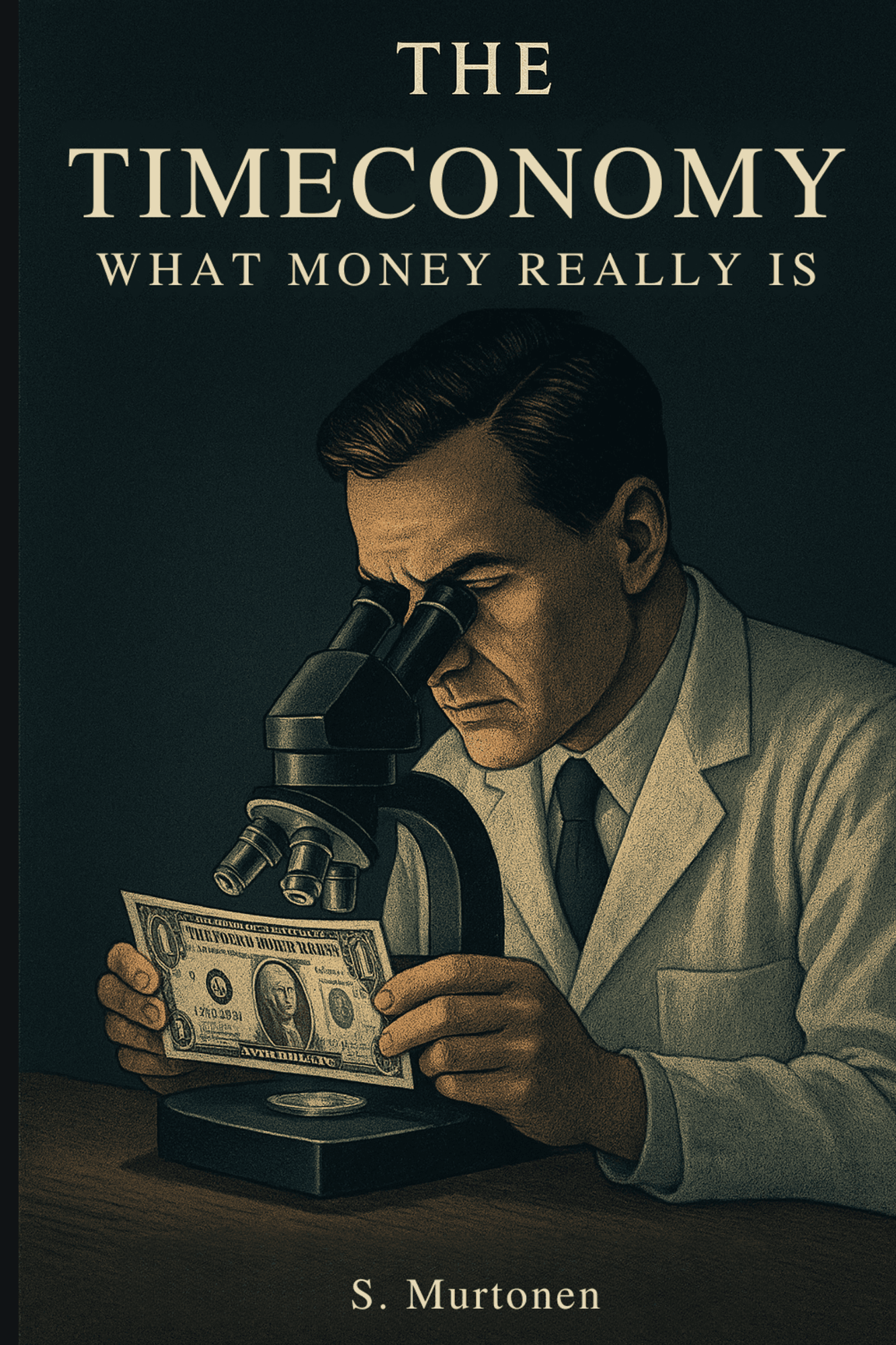
Begin with The Timeconomy: What Money Really Is. It is the clearest entry point into the whole framework because it helps you see money for what it is: an instrument used within economic life, not the thing that creates economic life.
Once that is clear, the rest of the framework becomes easier to follow. Freedom, wealth, future, and real economic expansion all become easier to understand when human lifetime stands in the foreground.
The force beneath the economy
The Economy Must Work with Human Nature
The economy came before economics. People were already working, cooperating, exchanging useful things, and preparing for tomorrow before anyone gave those activities formal names. Human nature was not created to fit an economic system. Economic activity grew from people who already had needs, abilities, and limits.
The Timeconomy follows that foundation: people seek to sustain life, save time, and enhance the time they experience. Saving time means obtaining a desired result with less of one's lifetime. Enhancing time means making life more pleasant, including during work and necessary tasks.
Read the short chapter
Saving did not require a bank account. Borrowing did not require coins. Making a better tool was an investment in a hoped-for future result. Local circumstances shaped different arrangements around familiar human needs.
Voluntary exchange lets people with different abilities and purposes cooperate because each expects something worthwhile. Market freedom means room to make offers, choose alternatives, work together, and change direction. It does not guarantee that every offer will succeed.
Drawing an airplane does not make it fly. Its design must account for physical conditions. People are less predictable, but an economic plan must likewise account for those it organizes. The intention is not the mechanism.
That includes the people in charge. Authority does not remove their ambitions or desire for advantage. Useful coordination can help everyone accomplish more. A gain for a controller is not automatically a gain for the community.
Imagine a workshop where reporting faults brings punishment. Workers may protect their positions instead of reporting problems or offering improvements. Their abilities remain, but their use changes. Existing skills, equipment, and reserves can keep production going while its foundation erodes. Failure may first appear as longer waits, poorer service, or fewer improvements.
Human nature has been present all along. An economy can influence how human motives are expressed. It cannot make them disappear by leaving them out of a plan.
Money connects useful action across people, places, and time. It cannot replace the human foundation that gives it something worth obtaining.
Explore Freedom vs. Control →The Timeconomy: What Money Really Is
This is the best place to begin because it gives the reader a cleaner understanding of money before moving to the larger questions of freedom, wealth, future, and growth.
The mission of the Timeconomy is to make the visible economy more intelligible by showing the human foundation beneath it: finite lifetime, skilled effort, accumulated capability, and the lived pressures that exist before they become prices.
It does not stand against the visible money-based economy. It complements it by explaining what money, markets, and institutions are standing on.
Start here if you want to build the Timeconomy framework in the strongest order.
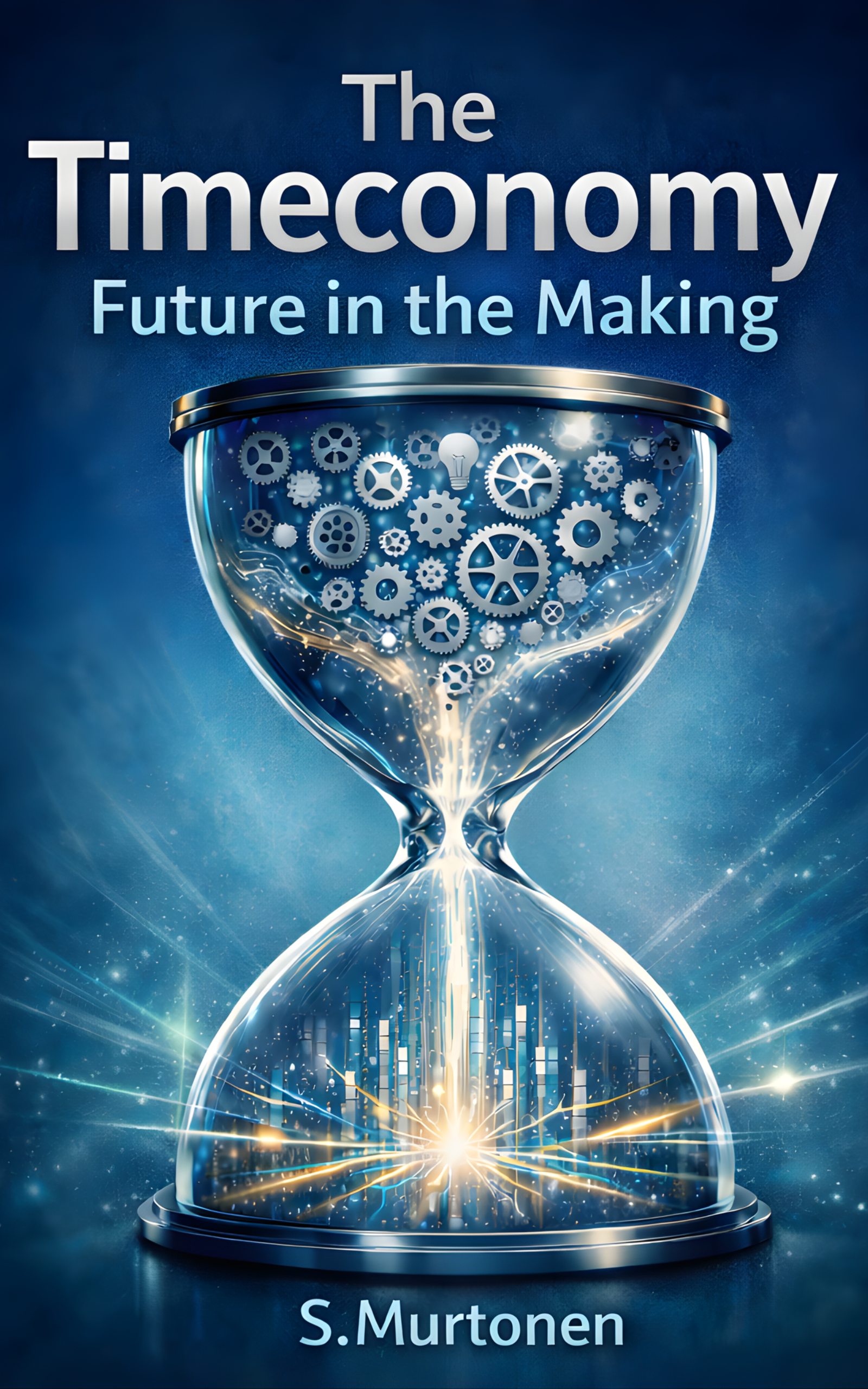
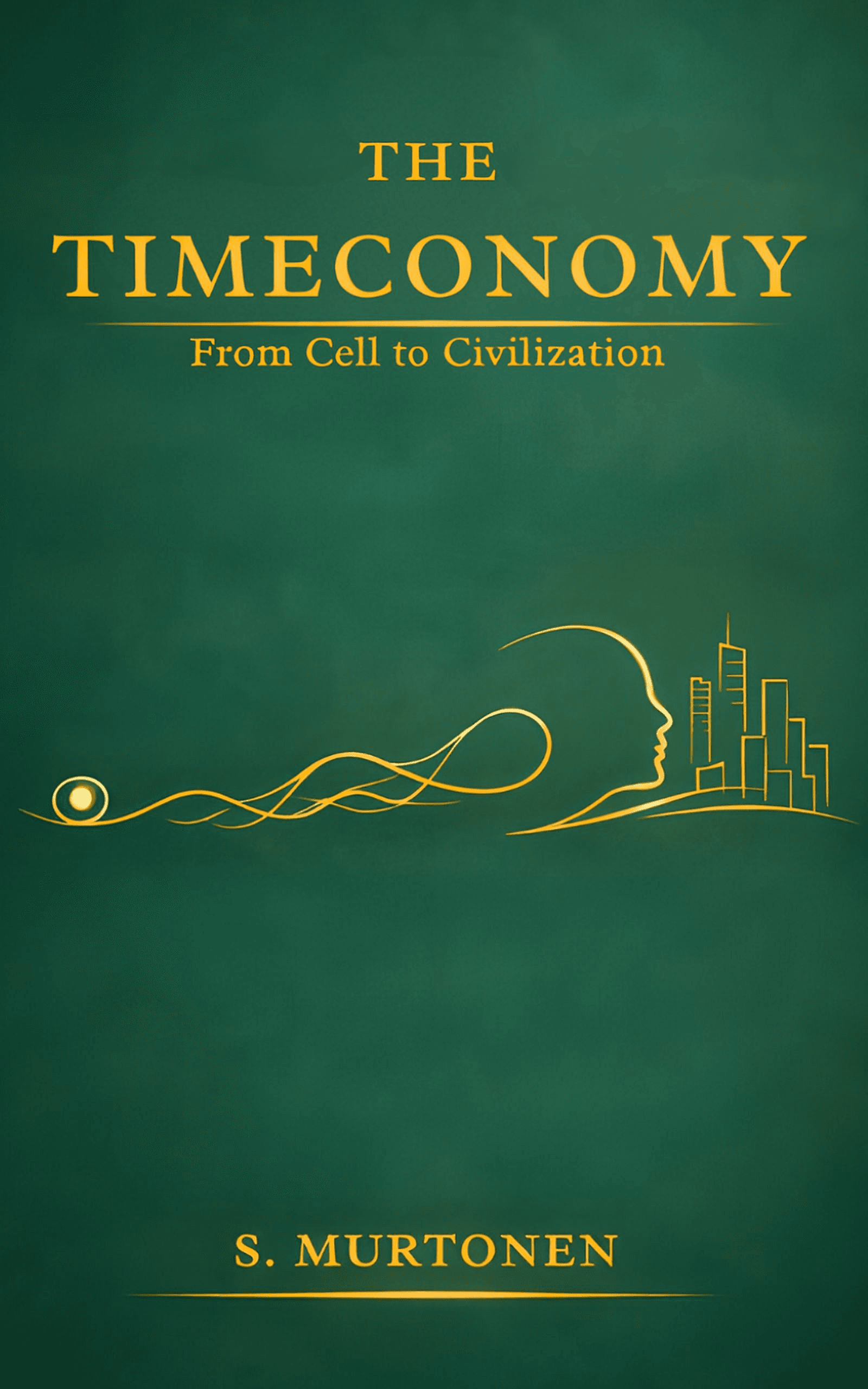
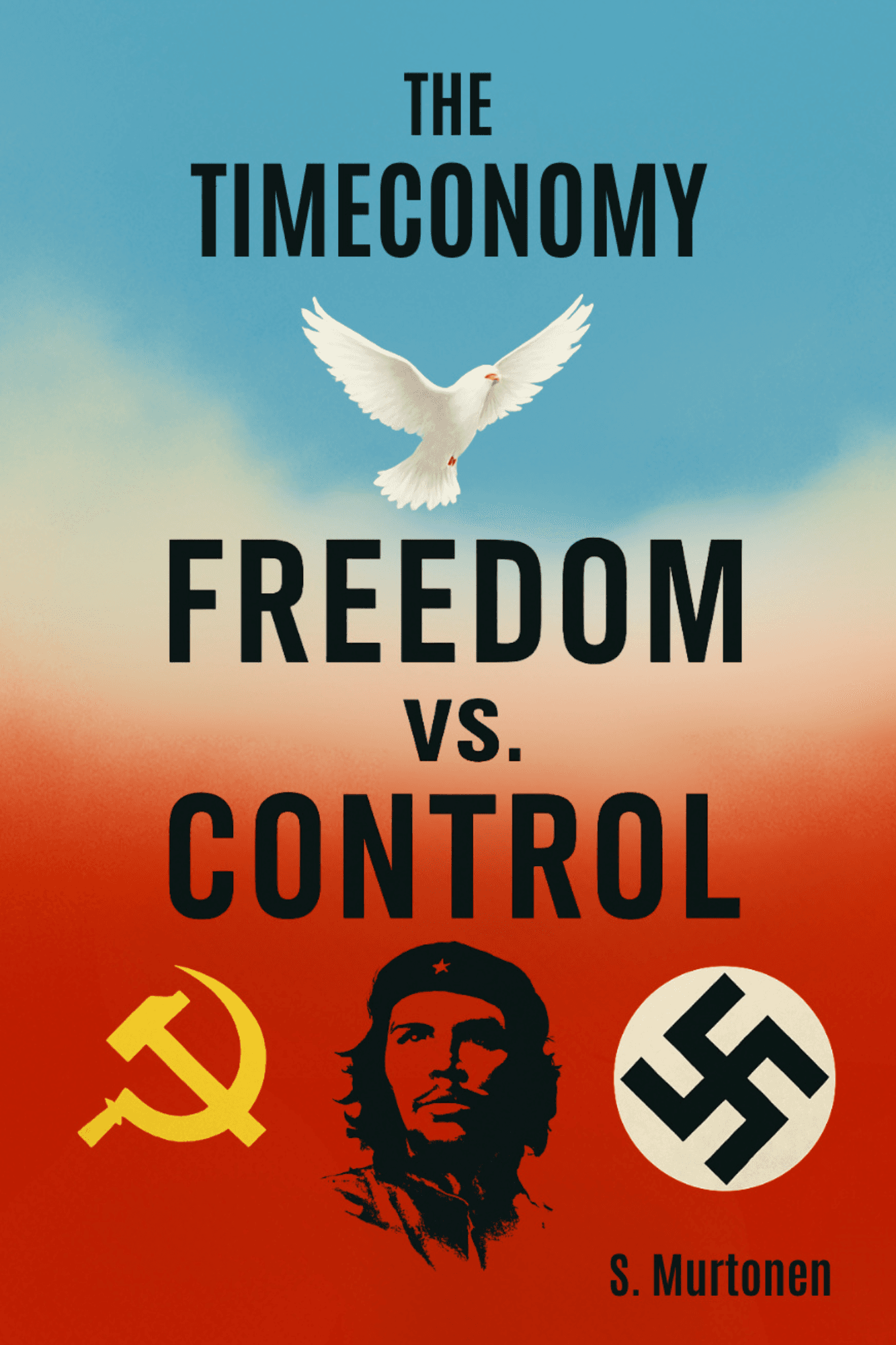
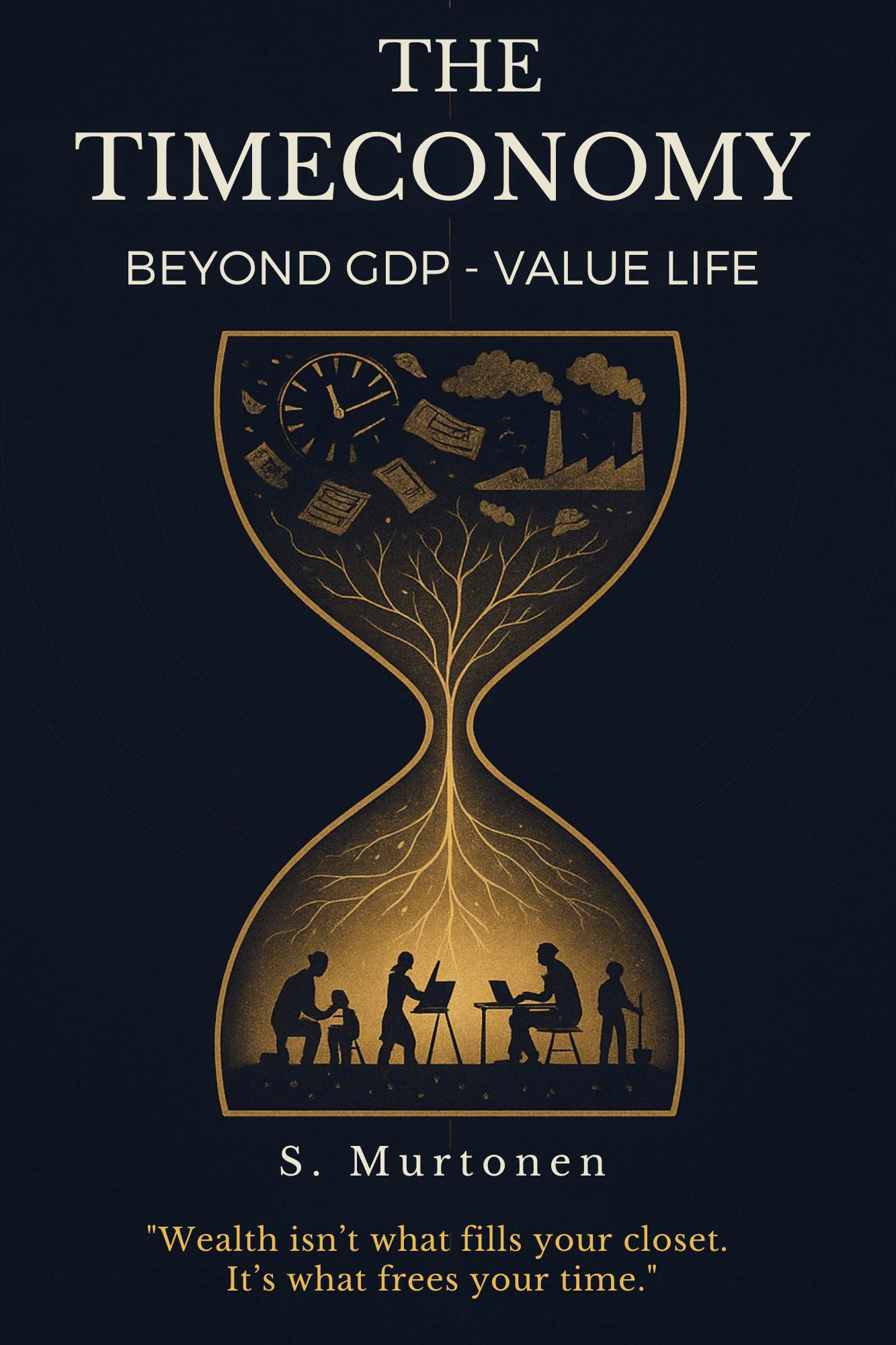
These five books build the framework in the clearest order.
Continue the thinking
Use the Guide and Reader Companion to deepen understanding, connect ideas across books, and test the framework in real situations.