The visible economy needs money, prices, accounting, contracts, wages, banking, and other counting tools that let large systems function. But that visible layer begins speaking only after something deeper has already happened: a person has felt pressure, spent time, applied skill, and searched for relief.
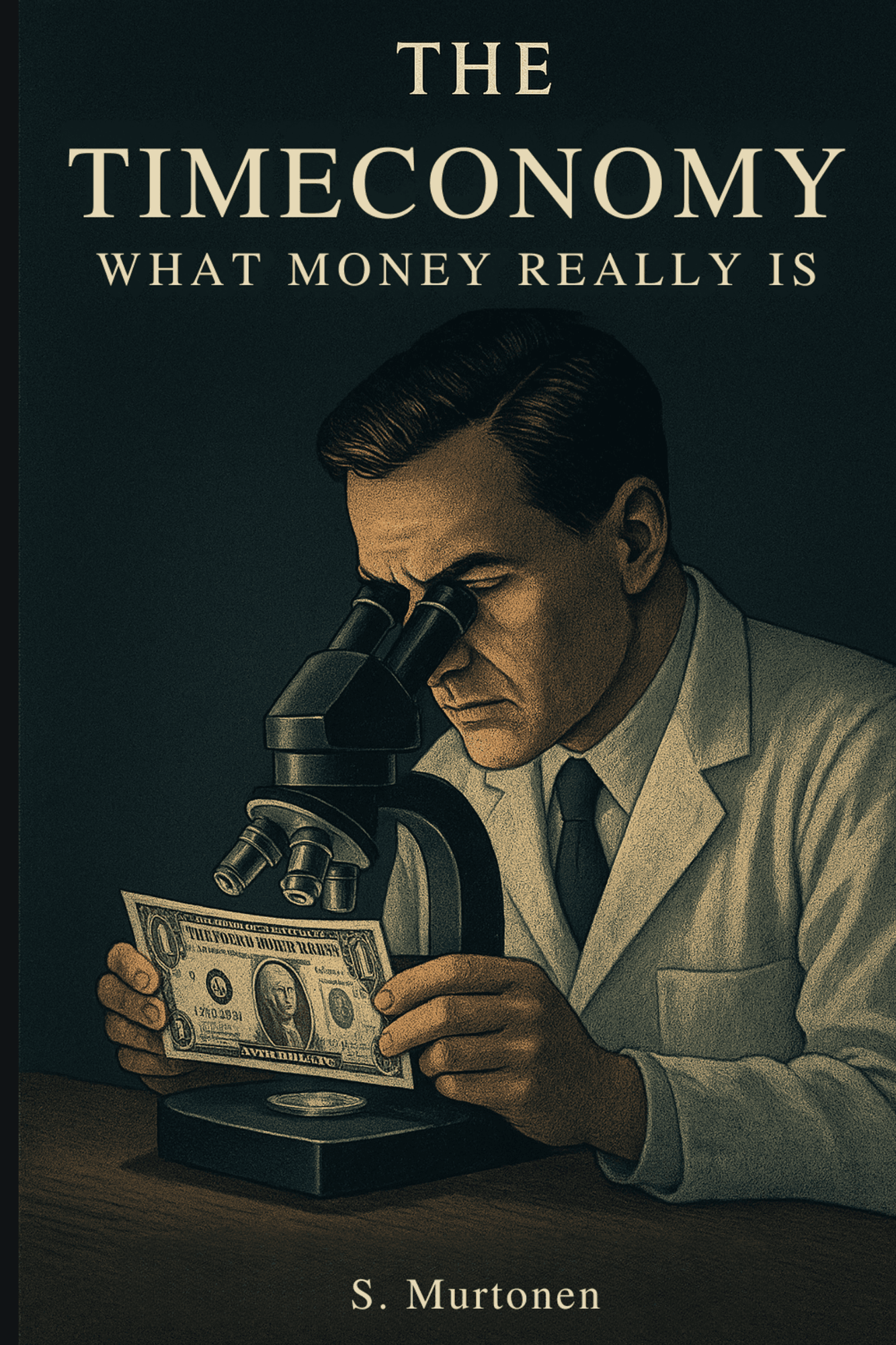
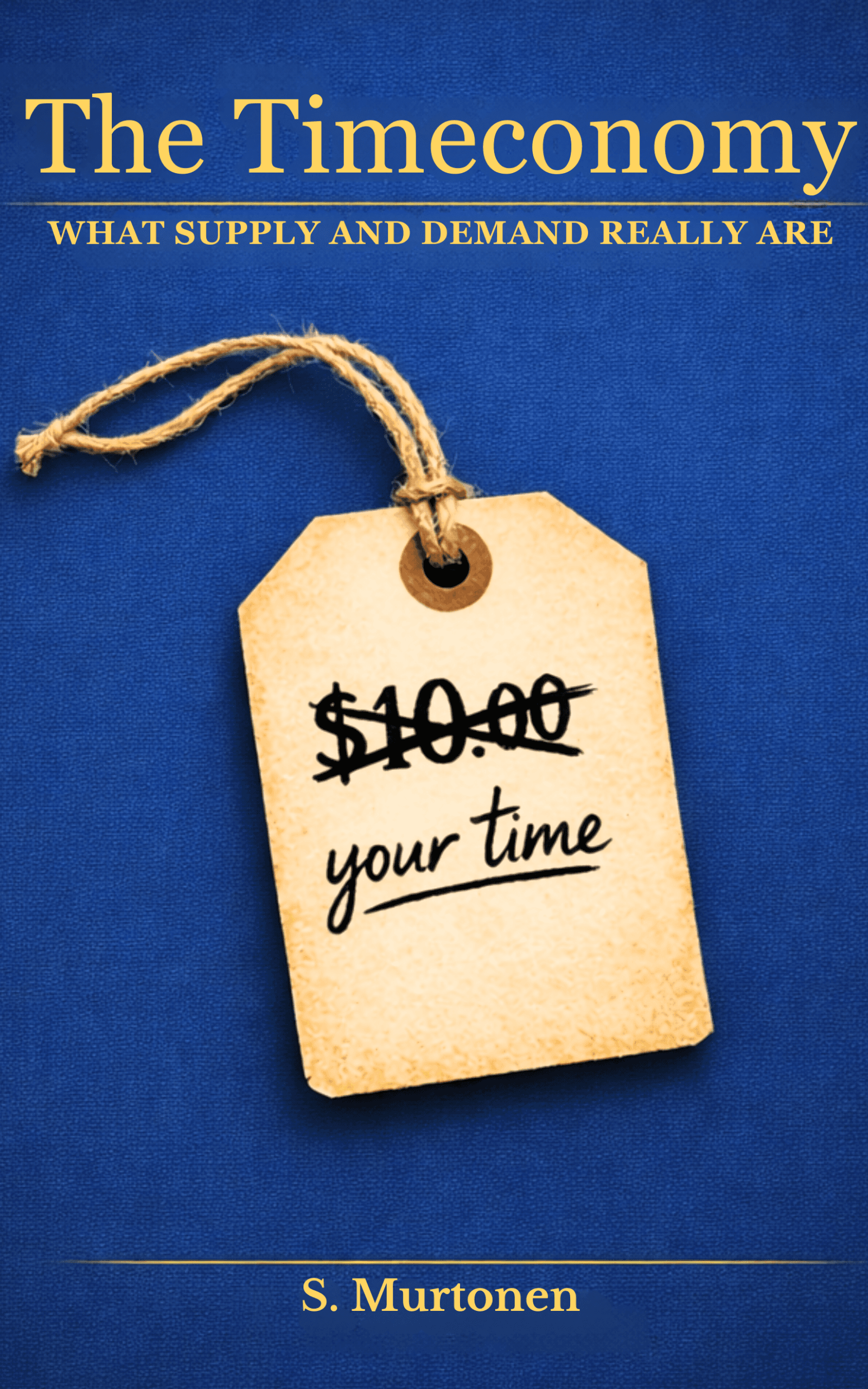
Begin with The Timeconomy: What Money Really Is. It is the clearest entry point into the whole framework because it helps you see money for what it is: an instrument used within economic life, not the thing that creates economic life.
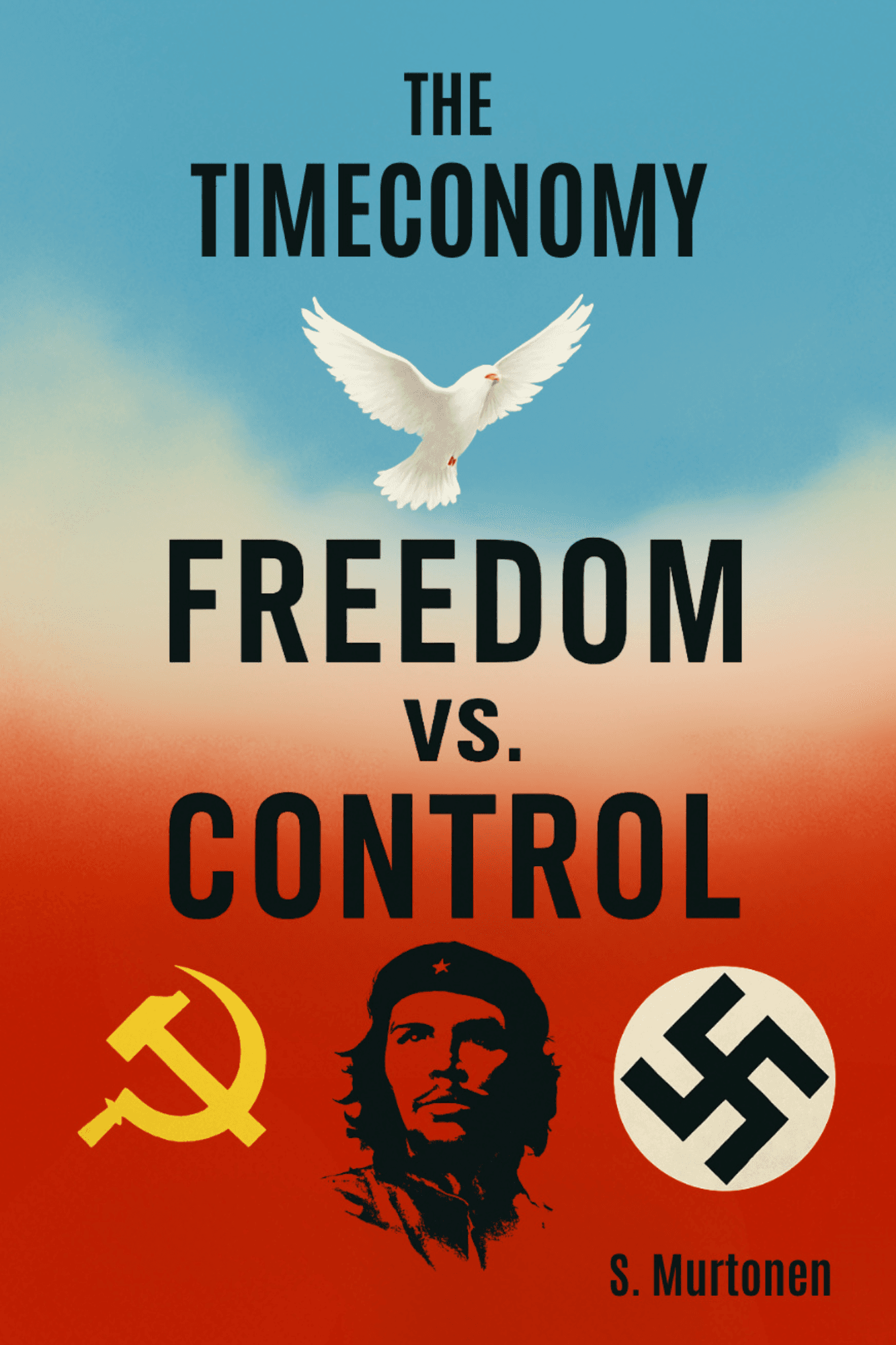
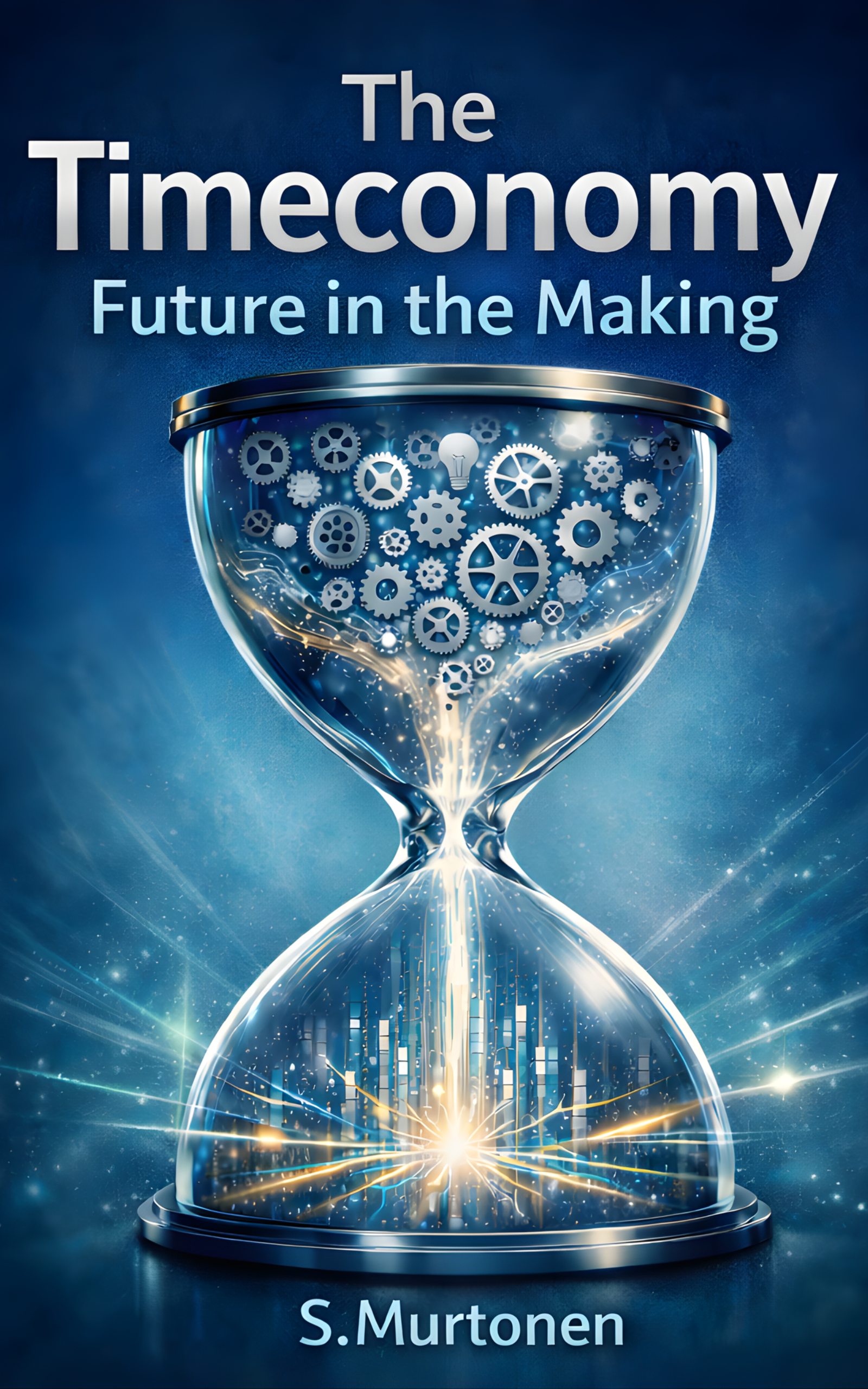
Once that is clear, the rest of the framework becomes easier to follow. Freedom, wealth, future, and real economic expansion all become easier to understand when human lifetime stands in the foreground.
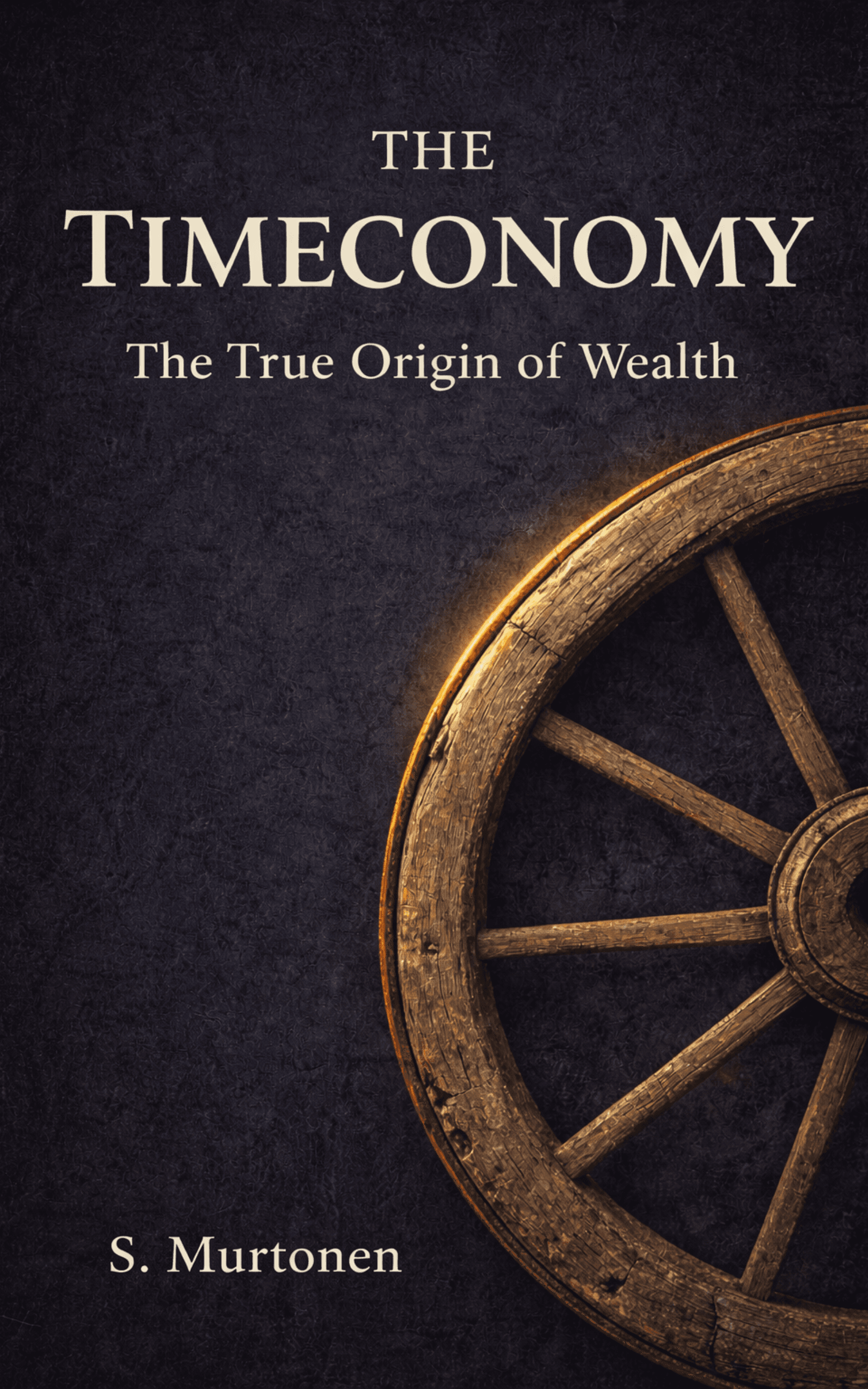
Every genuine improvement in economic life begins when a person, tool, or system reduces the time required to do something useful. Nature provides raw materials free of cost, and wealth begins when human time, skill, and effort turn them into usable value.
Money tends to move toward the goods and services that give people more life back by saving time, reducing effort, lowering friction, increasing comfort, or expanding capability. It is not matter itself that attracts money, but the human value created when lifetime is used more effectively.
Societies, institutions, and economies improve when feedback can travel clearly through them. Prices, criticism, competition, failure, experimentation, and public response all help reveal what is working and what is not. Systems that block or silence feedback drift, harden, and lose their ability to correct themselves.
This is the best place to begin because it gives the reader a cleaner understanding of money before moving to the larger questions of freedom, wealth, future, and growth.
The mission of the Timeconomy is to make the visible economy more intelligible by showing the human foundation beneath it: finite lifetime, skilled effort, accumulated capability, and the lived pressures that exist before they become prices.
It does not stand against the visible money-based economy. It complements it by explaining what money, markets, and institutions are standing on.
Start here if you want to build the Timeconomy framework in the strongest order.
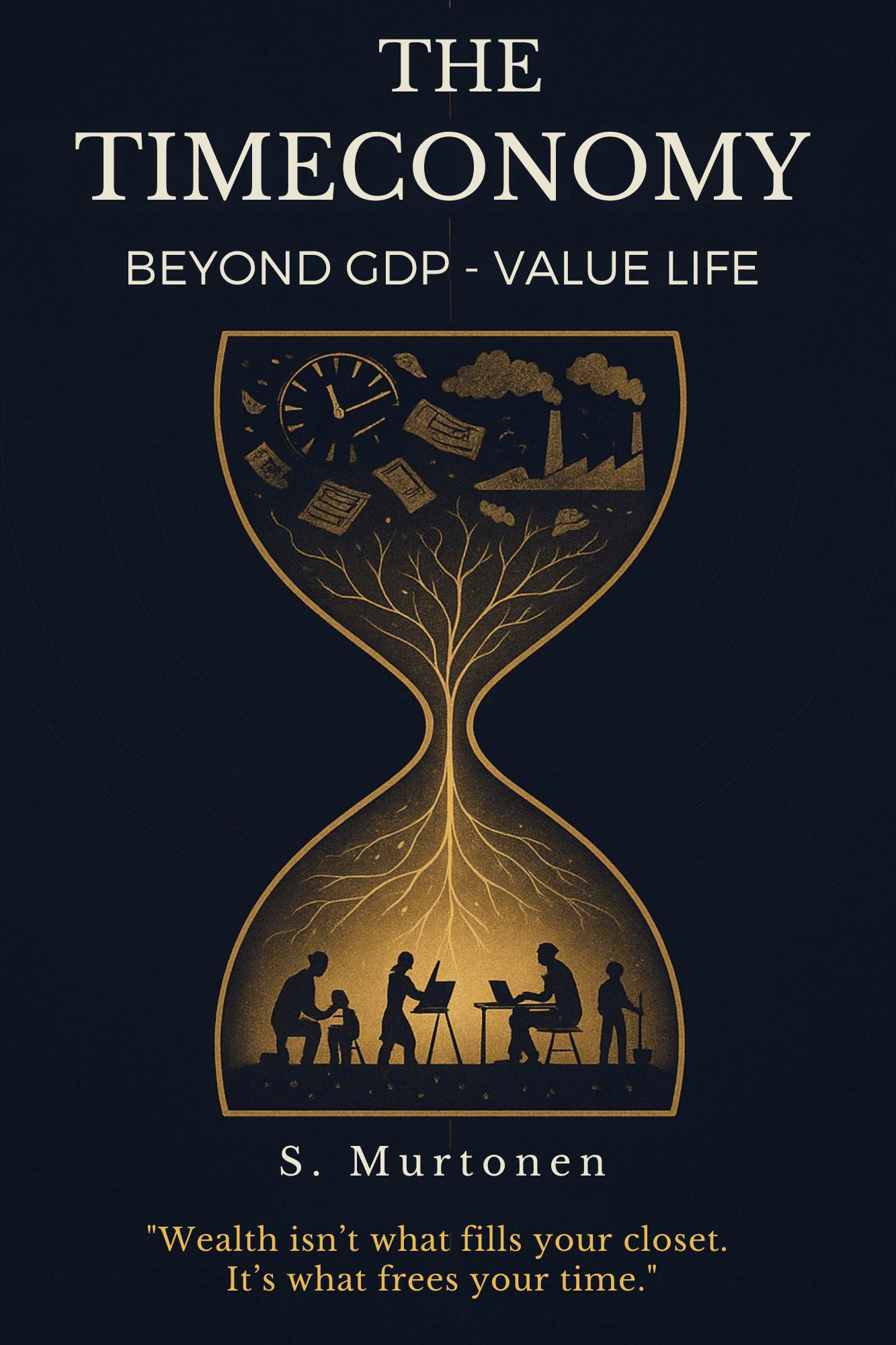
These five books build the framework in the clearest order.
Use the Guide and Reader Companion to deepen understanding, connect ideas across books, and test the framework in real situations.